Why Mindfulness Is the One Skill That Could Actually Change the World
From better decision-making to more honest leadership — here's how a mindful society transforms everything.
TOP POSTS
6/13/20263 min read
Picture these three scenarios:
I. An average citizen about to litter simply because it’s more convenient than walking to a nearby bin.
II. A corporate leader close to implementing an environment-harming business practice due to greed.
III. A prime minister on the verge of enacting a policy driven by personal agendas rather than the greater good.
But instead of following through, they pause. Not for effect, but because they’ve trained themselves to notice their negative impulses before acting on them. That pause, multiplied across millions of people, is the reality-changing power of mindfulness.


At its core, mindfulness is the practice of becoming aware of your thoughts and feelings as they arise, rather than being swept along by them. Instead of running on autopilot, a mindful person notices the moment before a decision — and in that moment, they ask themselves: ‘Is this truly the right choice?’ ‘Is it sensible?’ ‘Does it come at the expense of anyone or anything else?
That small gap between impulse and action is where our rationality gets a chance to speak. Over time, people who practice mindfulness tend to apply more rationality in their daily interactions and decisions — leading to fewer hasty choices and, ultimately, a calmer, more fulfilling life.
From Self-Awareness to Gratitude
Mindfulness doesn’t just sharpen decision-making — it also tempers some of our more destructive instincts, like impulsiveness and greed. By rooting our attention in the present moment, mindfulness naturally cultivates gratitude: an appreciation for what already exists, right here, right now.
And gratitude is a great counterbalance to greed. When you’re fully present with what you already have, your impulse to want more diminishes. Over time, that shift in perspective can erode the greedy tendencies that drive so much of our worst behavior — both as individuals and as a society.
What If Our Leaders Were Mindful?
Now apply this concept to those with power. Throughout history, most large-scale conflicts, destruction, and suffering can be traced back to a few usual suspects: unchecked greed and unchecked emotions. And despite millennia of evidence, we keep repeating the same mistakes.
But imagine if mindfulness were treated as an essential component of political leadership. Leaders who are genuinely aware of their own impulses are less likely to succumb to their own ego or short-sighted self-interests. They’re more likely to weigh decisions on their merits and prioritize the public good over personal or political gains.
A Society That’s Harder to Manipulate
Now imagine if everyone adopted this skill. A more mindful society would also be a more discerning one — harder to manipulate, harder to deceive.
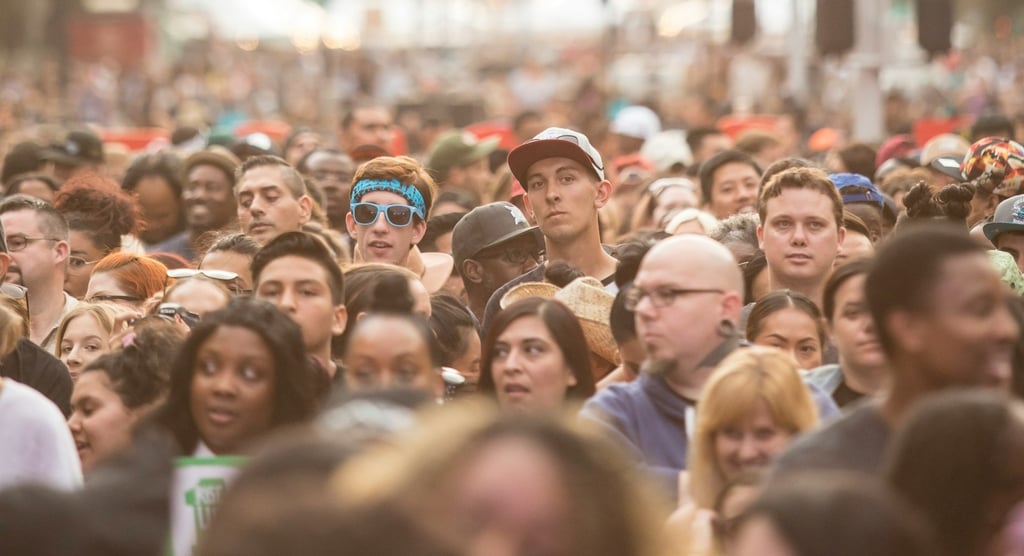
For too long, politicians have used fear and division to win and hold power — stoking racial, religious, and nationalist anxieties, and preying on people’s socioeconomic insecurities. This kind of rhetoric works because it speaks directly to people’s emotions.
But mindfulness builds exactly the kind of awareness that can shield us against such rhetoric. A population that’s more attuned to its own emotional reactions is better equipped to recognize when those reactions are being deliberately triggered — and to question the validity of those messages. The result is an electorate that’s less swayed by manufactured outrage and more inclined to support leaders who are genuinely committed to serving the public.
Striking the Balance
To be clear, I’m not saying we should perceive emotions as the enemy. Emotions are essential — they connect us, motivate us, and often guide us toward what matters. But we humans tend to be heavily driven by emotions, often at the expense of clearer thinking.
As with most things, the goal isn’t to eliminate one in favor of the other, but to find balance — and for a species currently navigating a myriad of complex global challenges, tipping that balance toward rationality is exactly what we need.
Mindfulness is one of the best ways to build that balance. It won’t fix the world overnight — but a world full of people who pause before they react, who notice their own impulses before acting on them, would undoubtedly be a much better place to live.

Subscribe to my newsletter
Get notified immediately whenever I post a new article!