We All Know Right From Wrong. So Why Don’t We Act on It?
The gap between knowing what's right and actually doing it is bigger than we think — and it's quietly breaking society
6/9/20263 min read
A man encounters a car just broken-down right in front him at a traffic light stop. The light turns green, the man hesitates for half a second, and he just drives past the car.
He knows the right thing to do is to help the driver push his car to the side to reduce disruption to traffic flow. He just doesn’t because it’s an inconvenience.
That half-second of hesitation — and the choice that follows — is the real story of morality in our society.
Almost everyone agrees that values like kindness, thoughtfulness and altruism matter. Ask anyone if they value these things, and they’ll say yes without hesitation. But ask whether they consistently practice them, especially when no one’s watching or it’s inconvenient, and the answer becomes murky.
This gap — between what we say we believe and how we actually behave — is wider than most of us would like to admit. And it has created a society where random acts of kindness aren’t as common as they should be.
For many people, ethics live in the back of their minds, indifferently perceived as “good things” or “what God teaches.” They’re treated as abstract ideals, not practical tools for daily decisions. Hence, they rarely get the priority — or the effort — they deserve.
The result is behaviour driven by self-interest. People make choices based on convenience, while thoughtfulness is shunned to the side. Restaurant workers illegally dump rubbish because it’s more convenient. Cleaners burn garden refuse out of convenience despite its polluting effects. An individual doesn’t lend his tools to help another without them for his flat tyre. Drivers don’t slow down at a junction to let a car turn even though it’d barely cost them.
These acts may not feel like moral failures in the moment. But apply them across millions of people, millions of times a day, and the result is a society that’s a little more insensitive and colder.
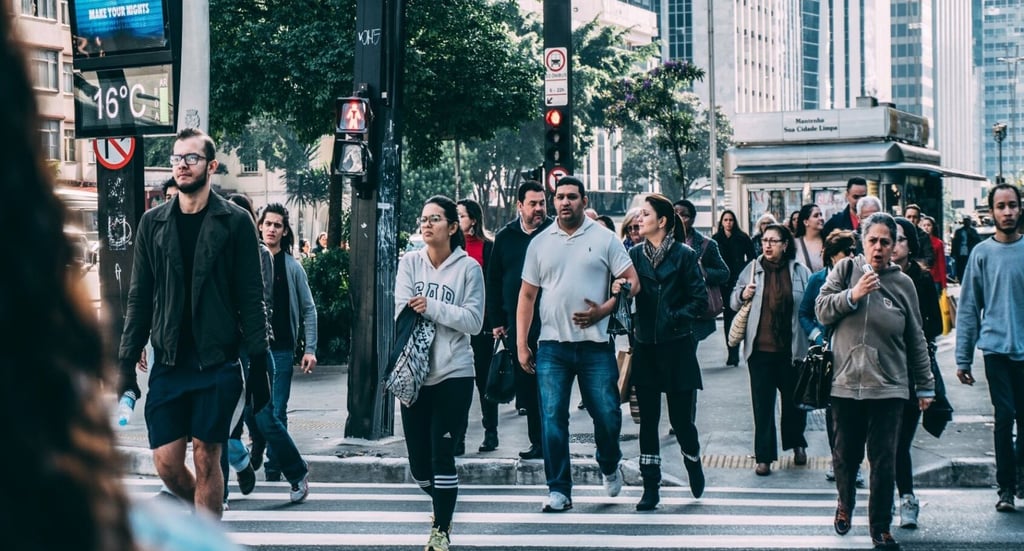
This matters because the glue that holds communities together above all else, is trust. And trust is built, one act at a time, by people choosing to do the right thing for those around them, even if there’s a cost. When people deliberately disregard that choice, our reliance on each other diminishes, trust erodes, the bonds within communities weaken, and society ends up worse off.
So how do we close the gap between knowing and doing? The best period to start is the schooling years.
Right now, ethics are often taught as something to memorize, not something to imbue within our daily lifestyle. To change this, students need to be presented with real dilemmas, not just recite principles.
Picture a classroom exercise where students must act out certain scenarios like:
finding a wallet stuffed with cash and no ID inside, or
having a food wrapper after eating and having to choose between littering or finding a bin, or
encountering a long line of other students queuing up to pay for their food on one side of a counter, and having to choose between joining the que, or going to the other side of the counter just to pay faster.
These aren’t hypothetical — they’re the kinds of everyday choices students will actually face. Actively participating in scenarios like these deeply instils ethics within students. The result? Individuals who appreciate the significance of such values and practice them in their daily lives.
Just as important is connecting these lessons to students’ own lives. Telling a teenager that “thoughtfulness is important” rarely sticks. Making them appreciate just how unpleasant and cold living amongst members of a society with very little thoughtfulness can be — does. The goal here isn’t to lecture students into compliance. It’s to help them see that these values aren’t external rules imposed on them, but important qualities that make their life experiences better.
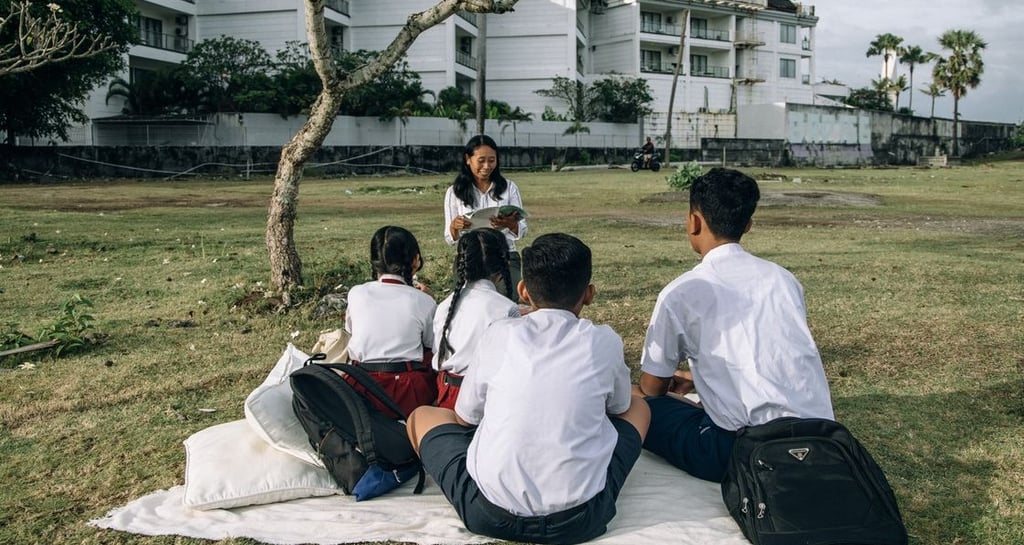

Ultimately, this is about more than individual character. It’s about what holds a society together especially when things get hard. Values like the ones mentioned above are what allow people to help each other during a crisis, to form trusting bonds between strangers, and to choose cooperation. Without this foundation, we’re more likely to give in to our inherent selfish and inconsiderate behaviour.
Go back to the first scenario involving the man and the broken-down car. The difference between driving past and helping isn’t a difference in whether he’s aware of what’s right and wrong — it’s a difference in whether his awareness is wired into how he actually acts. Building a society that achieves the latter starts with how we raise the next generation to think — and more importantly, to act.

Subscribe to our newsletter
Get notified immediately whenever I post a new article!